
Leaving Spotify or How I Learned to Stop Worrying and Love Music Again.

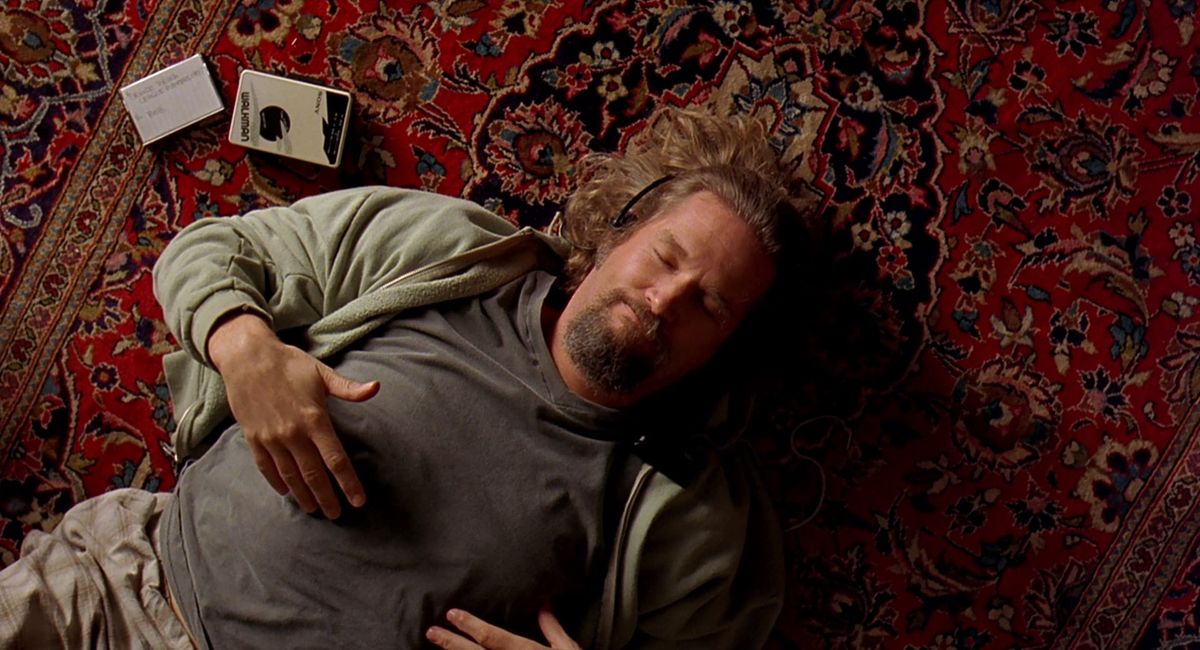
Quentin Tarantino has meticulously constructed a dedicated space within his home that exudes the ambiance of a renowned record store, housing his impressive vinyl collection. This immersive environment has become an integral part of his creative process, playing a pivotal role in the development of what is widely regarded as the most extensive and influential collection of musical selections in cinematic history.
Tarantino dedicates countless hours to this space, meticulously examining record boxes, removing them from their sleeves, and engaging in the act of listening to his music through a sophisticated tube-amp stereo system that delivers exceptional sound quality over Bang & Olufsen speakers. As he navigates his vast collection, he meticulously notes potential musical choices for his upcoming film projects, including dinner scenes and collaborative pitches.
In contrast to my own seemingly mundane process of creating playlists while lounging on my couch with Final Draft open, while simultaneously avoiding LoFi playlists and local gossip podcasts that promote their latest four-hour masterpieces; Tarantino’s setup appears to be an ideal that I am unlikely to attain.
Reflecting on this disparity, I am immediately overwhelmed by the challenges of implementing a similar approach. I possess a modest vinyl collection that I share with my girlfriend, housed in an aesthetically pleasing glass crate that we discovered online. While I thoroughly enjoy playing vinyl and experiencing its unique charm at home, I find myself grappling with the limitations of this setup when I am writing while traveling or driving to contemplate scenes, pitch ideas to collaborators, etc. Vinyl, while undoubtedly an excellent long-term investment, lacks the flexibility and accessibility of streaming services, making it an inadequate substitute.
Furthermore, the current payment model employed by Spotify raises concerns about its fairness and effectiveness. Numerous reports have emerged regarding Spotify’s efforts to promote its own AI music, its investments in Palantir, and its advertisements that promote ICE propaganda. Investing in an organization that prioritizes the preservation and appreciation of music, while simultaneously offering an objectively superior product, in exchange for curated content and fair compensation, seems to be an unsustainable approach.
Furthermore, the gradual reliance on their proprietary software has made us dependent on the algorithm’s decisions regarding what is worth listening to and what is statistically improbable. For instance, Spotify invested in podcasting as the next frontier of on-demand unscheduled talk show content, forcing us to listen to it even if we dislike the shows they produce. Additionally, they offer region-locked audiobooks that are available to everyone else worldwide, while we are paying for them. These are just a few examples of the drawbacks associated with their services.
Don’t you miss the days when you would visit a record store and discover your next great band or album to obsess over? Seeking out musical recommendations and reading reviews, listening to an artist’s mix that aligns with your true musical taste suddenly becomes feasible if you remove yourself from a system that promotes the concept of a music library as a lease. If you do the math, you can purchase a decent copy of the music for a significantly lower price.
Algorithms can be effective at times, but owning a curated music library, unlike creating playlists, which only partially satisfies this desire, grants you a sense of cultural agency that we have inadvertently lost in the complacency of relying solely on streaming services. Moreover, there is an inherent sense of presence when listening to music that you have manually selected for your collection; it does not feel rented or temporary.
Upon conducting an online search, I discovered a solution that closely aligns with my needs: Plex. Plex enables the establishment of a server capable of storing a diverse range of media content. I have been utilizing this feature to store rips of vintage movies and digital downloads of television episodes that have accumulated on my drive.
The process of setting up a rudimentary version of my personal music streaming service using PlexAmp took approximately ten minutes. PlexAmp organizes music in a manner similar to Spotify or Apple Music, providing daily mixes, artist radio, and other features.
To populate the library, I transferred every digital audio file in my collection, including years-old recordings, and purchased missing music from Bandcamp. Even my vinyl collection was enhanced by redeeming codes for lossless audio files that seamlessly integrated into my new library. While I had a Plexpass, I believe that paying for it is highly worthwhile in my opinion.
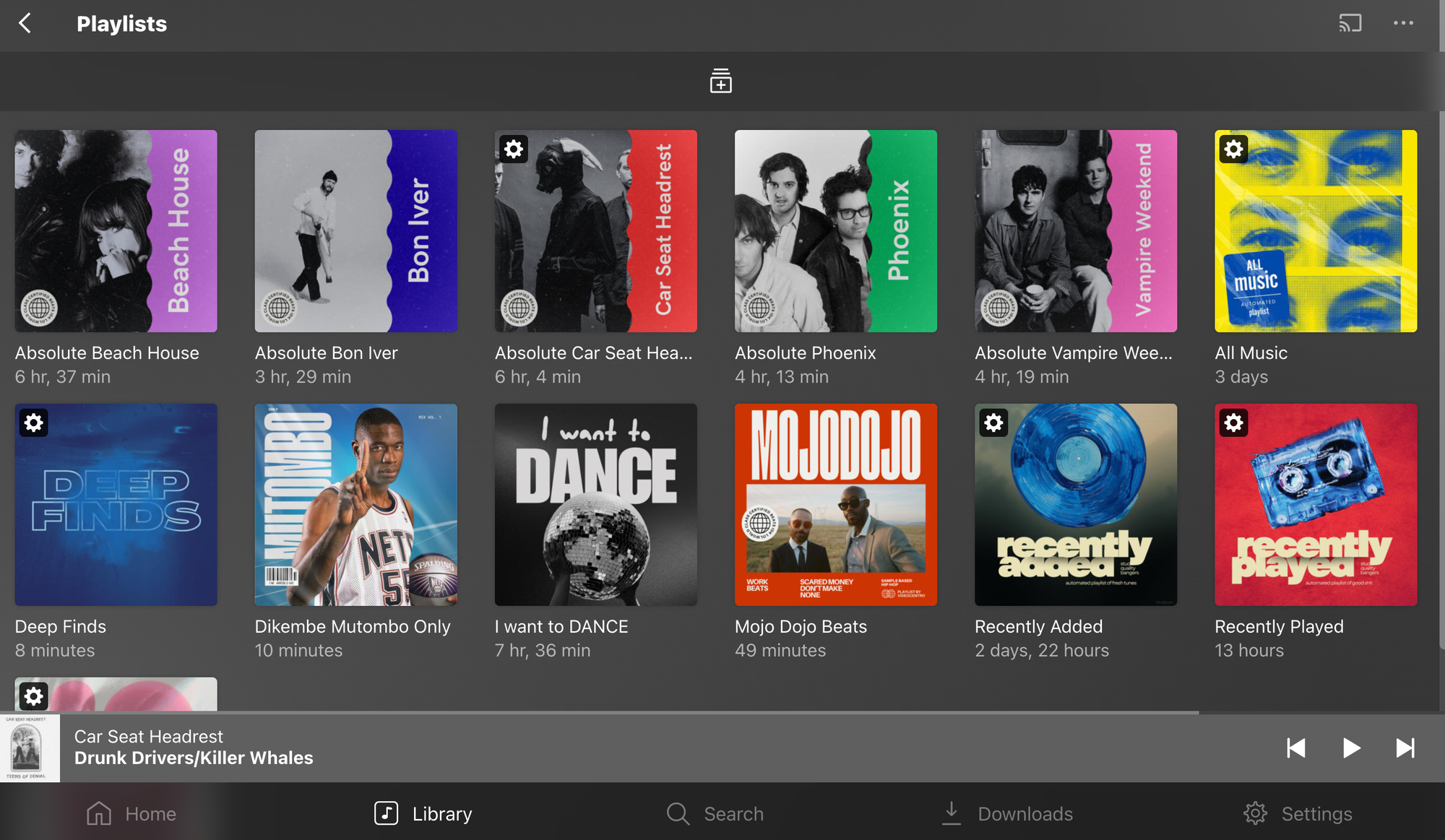
In essence, transitioning to an independent music platform presents a relatively straightforward process. While it may entail some concessions, such as foregoing the extensive music library offered by Spotify (unless you possess 300TB of storage and have access to it) and sacrificing seamless integrations with smart home devices, the long-term benefits are substantial. This transition is particularly pertinent given the increasing corporate tendency to paywall cultural content in an arbitrary manner, while simultaneously extending favorable treatment to the burgeoning AI industry.
Furthermore, there are alternative, entirely free options available that offer similar features.
For several months, I have considered the possibility of becoming independent, but starting in 2026, I intend to relinquish the constraints of contemporary music consumption and embark on a journey into a realm where the sole limitation to my musical engagement is the time and attention I choose to dedicate to it.